The Response Time Challenge
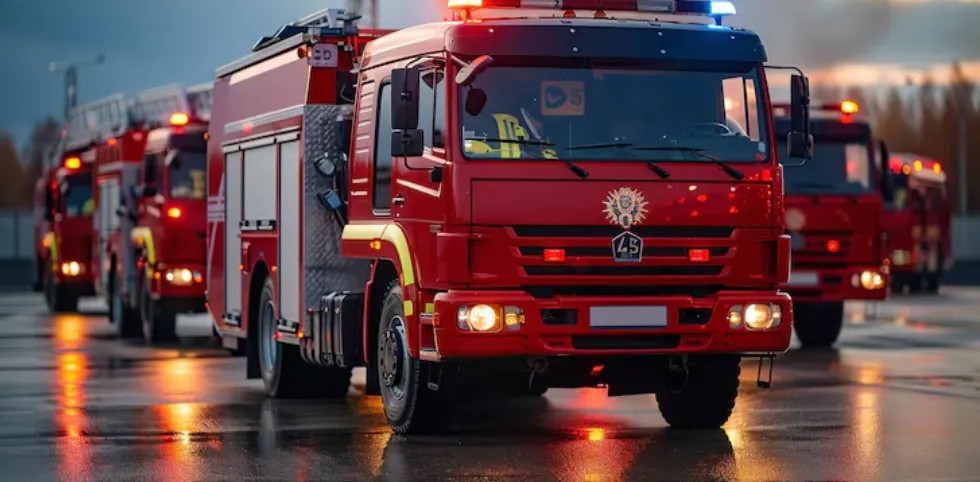
India’s fire departments handle over 15 lakh fire incidents annually. The national benchmark for fire engine response is 5-7 minutes, but actual average response times in Indian cities range from 15-30 minutes due to traffic, poor dispatch coordination, and inadequate vehicle tracking.
How GPS Tracking Improves Emergency Response
1. Intelligent Dispatch
- Identify the nearest available fire engine to the incident location
- Consider vehicle type and equipment — water tender, ladder truck, hazmat unit
- Dispatch multiple units for major incidents automatically
- Track mutual aid from neighbouring stations
2. Optimized Navigation
- Fastest route calculated using live traffic data
- Avoid construction, road closures, and narrow lanes
- Real-time ETA shared with control room and incident commander
- Alternative routes if primary route is blocked
3. Resource Mapping
- Fire hydrant locations mapped on the platform
- Water tank and natural water source locations
- Hospital proximity for casualty transport
- Hazardous material storage locations for industrial areas
4. Fleet Readiness
- Real-time status of all vehicles — available, deployed, or in maintenance
- Fuel level monitoring to ensure vehicles are always ready
- Equipment checklist compliance tracking
- Maintenance scheduling to maximize uptime
5. Incident Documentation
- Dispatch time, departure time, arrival time — all GPS-verified
- Time at scene and return time
- Route taken with distance covered
- Complete trip log for departmental records and audits
Benefits for Fire Departments
- 30-40% faster response times with intelligent dispatch
- Better resource utilization across stations
- Data-driven station planning — identify underserved areas
- Complete accountability for every call
- Maintenance cost reduction through preventive scheduling
Equip Your Emergency Fleet with GPS
- Phone: +91 9130062233
- Toll Free: 1800 209 3995
- Website: www.ecocosmogps.com