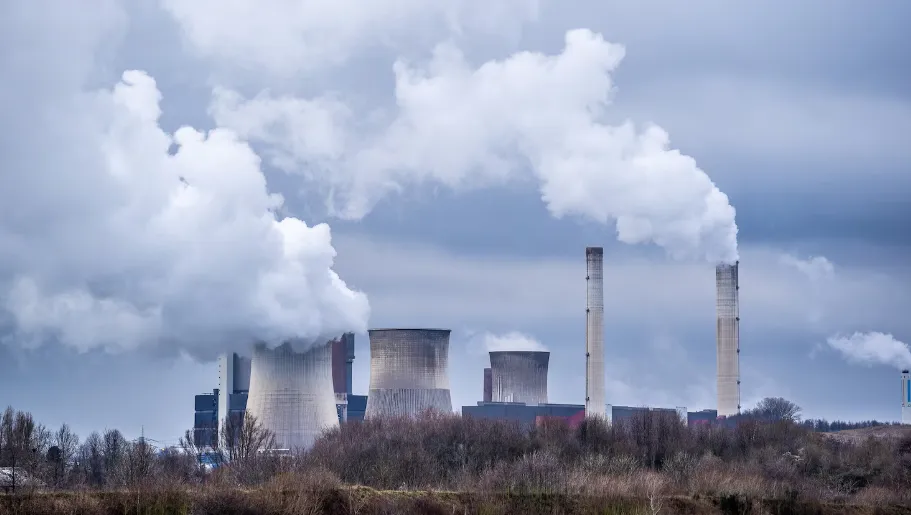
Why Carbon Tracking Matters for Indian Fleets
India has committed to reaching net-zero carbon emissions by 2070. The transportation sector contributes approximately 13% of India's total CO2 emissions. Fleet operators are increasingly under pressure from regulators, customers, and investors to measure and reduce their carbon footprint.
How GPS Enables Carbon Tracking
GPS tracking systems collect data that directly correlates with fuel consumption and carbon emissions:
- Distance Travelled: Accurate odometer readings for every trip
- Idle Time: Duration of unnecessary engine idling that produces emissions without productive work
- Speed Patterns: Overspeeding increases fuel consumption and emissions exponentially
- Route Efficiency: Longer routes mean more fuel burned and more emissions
- Driving Behaviour: Harsh acceleration and braking increase fuel consumption by 20-35%
Calculating Fleet Carbon Footprint
Using GPS data, the system calculates emissions using standard formulas:
| Vehicle Type | Avg CO2 per km |
|---|---|
| Diesel Truck (16T) | 800-1000g |
| Diesel Van | 250-350g |
| Petrol Car | 150-200g |
| Electric Vehicle | 0g (direct) |
Strategies to Reduce Fleet Emissions
- Route Optimization: Shorter, efficient routes reduce total distance by 10-15%
- Idle Reduction: Cutting idle time by 50% can reduce emissions by 5-8%
- Driver Training: Eco-driving coaching reduces fuel consumption by 10-20%
- Vehicle Right-Sizing: Using GPS utilization data to match vehicle size to load requirements
- EV Transition Planning: Using GPS route data to identify which vehicles can be replaced with EVs
EcoCosmo GPS provides built-in carbon emission reports to help your fleet meet sustainability goals.
Get Started with EcoCosmo GPS
Phone: +91 9130062233 | Toll Free: 1800 209 3995
Visit: www.ecocosmogps.com